fbpx

The YouCare project is coming to an end, and it was a surprising journey all the way. 

https://www.youtube.com/watch?v=2eIiQIxJMZ8

We started with a simple question : what happens when you take eco-anxieties seriously, not as a disorder to be treated but as a rational response to real threats? And in particular, what happens when you let young people lead the research themselves?

The answer, we learned, is not simple! But the process of collective exploration is truly worth it. 

What we did

Using Youth-Led Participatory Action Research (YPAR), teams of young researchers in Bulgaria, Ireland, Italy and Lithuania investigated how their peers experience the socio-ecological crisis. They conducted interviews, facilitated workshops, made short films, wrote songs, created posters, and organised local events.

Besides talking about their feelings (which in and of itself is a challenge for many) they connected those feelings to concrete and complex issues like the lack of spaces for youth to share how different complex issues (like deforestation, microplastic pollution, environmental catastrophes, food waste…) impact them and their ideas for change. 

One of the main results of this is a set of youth-led policy recommendations, titled “Nothing About the Planet’s Future Without Youth” . It is a short, practical document written by the young researchers themselves. Among other things, it asks EU and national decision-makers to:

  • Bring young people into formal climate decision-making
  • Create a digital exchange platform on climate anxieties
  • Support schools in helping students process complex emotions
  • Protect forests, biodiversity, and oceans from further degradation
  • Limit microplastic production and reduce food waste

You can read and download the full recommendations here:
 https://quest-eu.org/wp-content/uploads/2025/10/NOTHING-ABOUT-THE-PLANETS-FUTURE-WITHOUT-YOUTH-1.pdf

We also held a final 2-day conference in Brussels in October 2025, where young researchers presented their findings to MEPs and European Commission representatives and debated what meaningful youth participation should look like.

To the young researchers who trusted us with their time, their doubts, and their ideas: thank you!

To our partner organisations across Europe: thank you for making YPAR possible on the ground.

To the policymakers who engaged with us honestly—Nela Riehl, Valérie Drezet-Humez, Benedetta Scuderi, Alina-Stefania Ujupan, and Brando Benifei, thank you for listening and responding!

The project is ending, but the young people we worked with are not going away. They have built skills, connections, and confidence, and they have written recommendations that deserve to be read and acted upon.

So this is our final ask : if you are in a position to make decisions about youth, climate, or education, please read their recommendations. Share them. Use them.

Nothing about the planet’s future without youth.

Thank you for following the YouCare journey.


#YOU
-CARE, #EcoAnxieties, #Erasmusplus

Funded by the European Union.
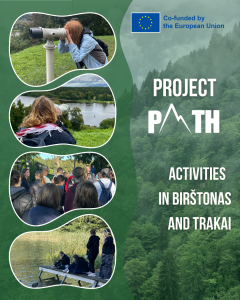
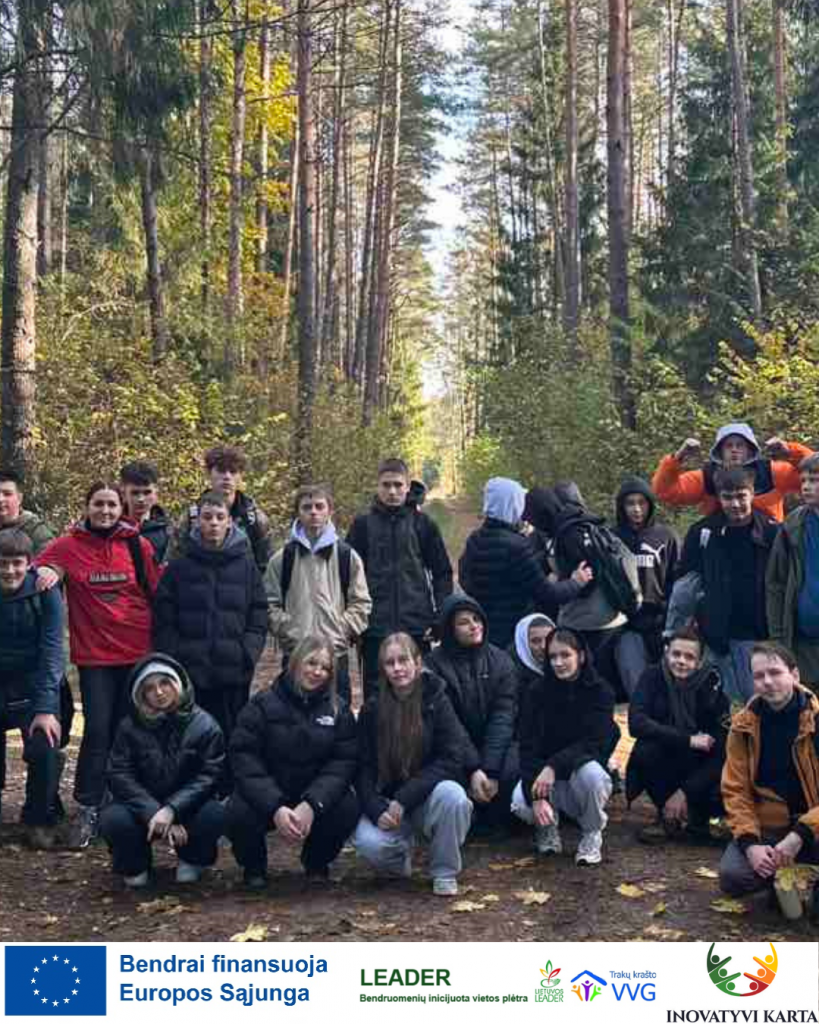
National piloting activities of the PATH project in Lithuania brought together young people, volunteers, NGO representatives, and local partners to explore how hiking routes can support co-design, future planning, and non-formal learning. The two national pilots took place in Birštonas on E-path 11 (Miško takas) and in Trakai with local school youth, building a connected experience around participation, nature, and personal development.

Birštonas hike on E-path 11

The first activity was a hike along E-path 11, gathering volunteers, young people, and NGO representatives within the framework of the PATH project. Here, in addition to walking, strong co-design elements were introduced: participants were invited to actively shape parts of the activity, share ideas, and contribute to how future PATH-related actions could look. This collaborative approach was prioritised over individual reflection, turning the hike into a living laboratory for testing methods, listening to youth voices, and co-creating future directions for the project.

Trakai activity with local youth

The second activity continued the overall approach in Trakai, implemented together with the Trakai open youth space and a group from the local gymnasium. Local guides and youth workers led the group along a “youth trail”, offering young people the chance to act, experience, and participate meaningfully in a familiar environment. While less centred on co-design than the first hike, the Trakai activity still encouraged youth participation, dialogue, and connection to local nature and surroundings.

Shared results and added value

Across Birštonas and Trakai, the message was clear: in project implementation, participants and the opportunities they receive to act and experience are at the centre. The combination of co-design in Birštonas and youth-focused practice in Trakai showed how hiking and local trails can support youth empowerment, experimentation with methods, and community connection. The activities were facilitated with the support of an experienced hike leader and realised with funding from the European Union, demonstrating how European cooperation can strengthen local youth work and outdoor education.

Financed by European Union.

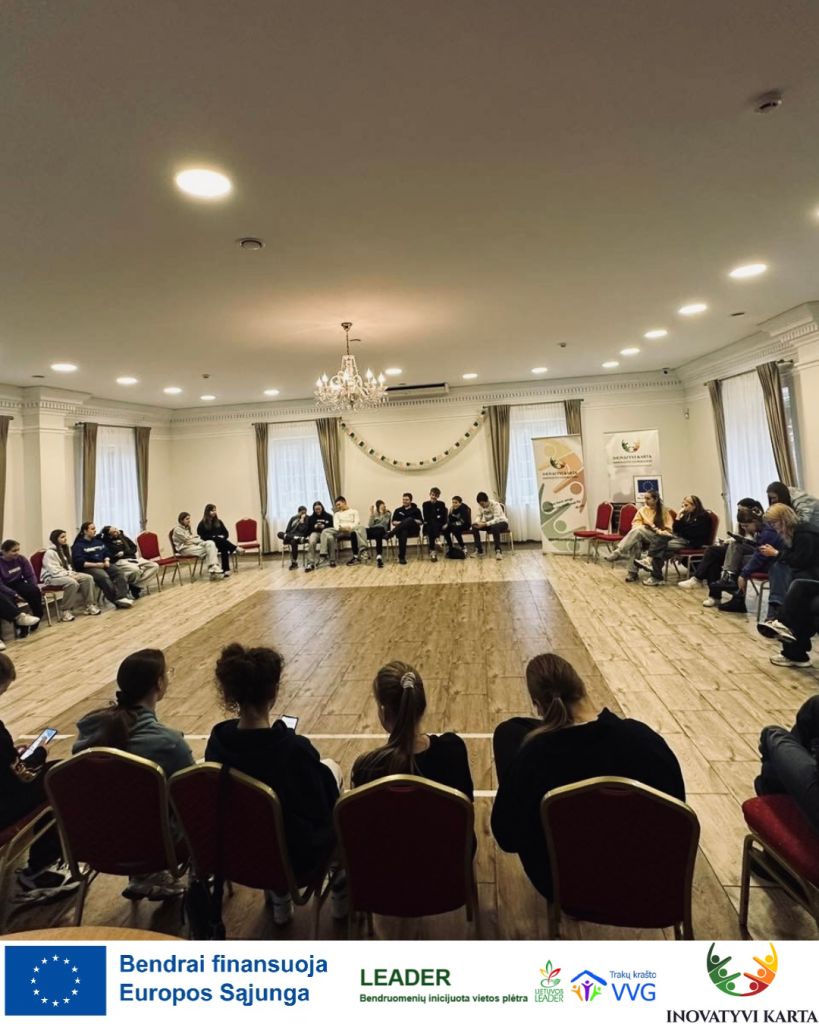
In December, 28 youth workers from 18 countries gathered for the Erasmus+ training course “Pragmatic Youth Work.”The mission was simple: move beyond theory and build the practical confidence needed to support today’s youth.

From the Training Room to the Classroom While many courses stay inside the seminar room, this group put their skills to the test at Lentvaris Gymnasium. Participants led simultaneous workshops, navigating real-classroom dynamics and applying creative facilitation techniques in real-time.

Digital & Local Inspiration The curriculum bridged the gap between traditional and modern needs, covering:

  • Digital Youth Work: Leveraging technology for inclusion.
  • Reflection Methods: Deepening the learning process for young people.
  • Community Insight: A visit to the Trakai Youth Center allowed workers to see how local initiatives tackle universal challenges.

The training didn’t just provide “renewed energy”; it provided a concrete toolkit. As one participant put it: “I came with questions and left with a roadmap.”

Funded by the European Union.

Marysia and Vytautas have taken part in an inspiring Erasmus+ project in Latvia — “DigiBridge: Digital Innovations for Youth Work”.

From October 12–18, 2025, youth workers from across Europe came together for a week of professional development, digital innovation, and partnership building.

This Mobility Project for Youth Workers focused on strengthening international cooperation, gaining practical digital skills, and developing new ideas for future Erasmus+ initiatives.

Through this activity, participants not only exchanged best practices but also worked towards a common goal: creating a lasting, positive impact on young people across Europe.

Thank you Project coordinator – The Association of Educational

Games and Methods (ISMA) for making it happen.

 Project “DigiBridge – Digital innovations for youth work” is Co-funded by the European Union. Views and opinions expressed are however those of the author(s) only and do not necessarily reflect those of the European Union, European Commission or Agency for International Programs for Youth. Neither the European Union nor the granting authority can be held responsible for them.

Stovyklos Šviežiai”: Aktyvaus gyvenimo ir aplinkosauginio sąmoningumo iniciatyva per patyriminį ugdymą”. Įtraukėme visą Trakų rajoną ir beveik visas seniūnijas. Jaunuoliai, gyvenantys skirtinguose kaimuose ir miesteliuose, besimokantys Paluknio, Aukštadvario, Trakų, Rūdiškių, Lentvario gimnazijose, ir jaunuoliai iš Trakų neįgaliųjų centro, sudalyvavo ir patyrė ‘Šviežiai’. Ačiū Vytautui už puikią programą kaip visada ir nepamirštamą žygį ir kitas veiklas✨

Ačiū Trakų atvirai jaunimo erdvei ir jaunimo darbuotojai Eigintai, kuri ne tik užkūrė energiją, bet ir rado dalyvių, kuriems galėjome suteikti galimybę sudalyvauti.

Stovyklos vyko rugsėjo 22 dieną ir spalio 22, 23, 24 dienomis. O viskas vainikuota nuotoline sesija apie Sesijos planavimo ABC! Turėjome antrą stovyklos dalį, kur dalyviai turėjo progą išmokti kaip vesti sesijas patiems, tad norint organizuoti veiklas savo mokykloje, dabar žinos pagrindinius principus ir nepasimes tarp visos informacijos.

Finansuojama Europos Sąjungos lėšomis.

Jaunimas dalyvavo dienos stovykloje Šviežiai”: Aktyvaus gyvenimo ir aplinkosauginio sąmoningumo iniciatyva per patyriminį ugdymą”. 

Šį kartą kartu su Trakų jaunimo erdve ir jaunimo darbuotoja Eiginta, bei Lentvario M. Šimelionio gimnazistai dalyvavo!

Laukia dar trys stovyklos Trakų rajono jauniems gyventojams! Susisiek, jei norėtum.

Finansuojama Europos Sąjungos lėšomis.


VšĮ Inovatyvi karta gavo finansavimą įgyvendinti dienos stovyklas Šviežiai”: Aktyvaus gyvenimo ir aplinkosauginio sąmoningumo iniciatyva per patyriminį ugdymą”. Projekto tikslas – aktyvinti ir įgalinti kaimo vietovių jaunimą, įtraukiant juos į patyriminius žygius (lauko edukacija) ir neformalųjį švietimą. Per patyriminį mokymąsi gamtoje projektu siekiama didinti jaunimo žinias ekologijos ir tvarumo temose.


Dienos stovyklos vyks su dalyviais iš kaimiškų Trakų rajono seniūnijų.

Dienos stovyklos detalesnis planas: 

09:00 – Atvykimas ir registracija

· Dalyvių sutikimas, vardinių kortelių išdalinimas, dienos tikslų (akcentai į tvarumą ir ekologiją) pristatymas.

09:30 – Susipažinimo ir komandų formavimo žaidimai

· Ledo pralaužimo žaidimai, skirti grupės bendradarbiavimui ir komunikacijai stiprinti.

· Veikla: „Eko-tapatybė“

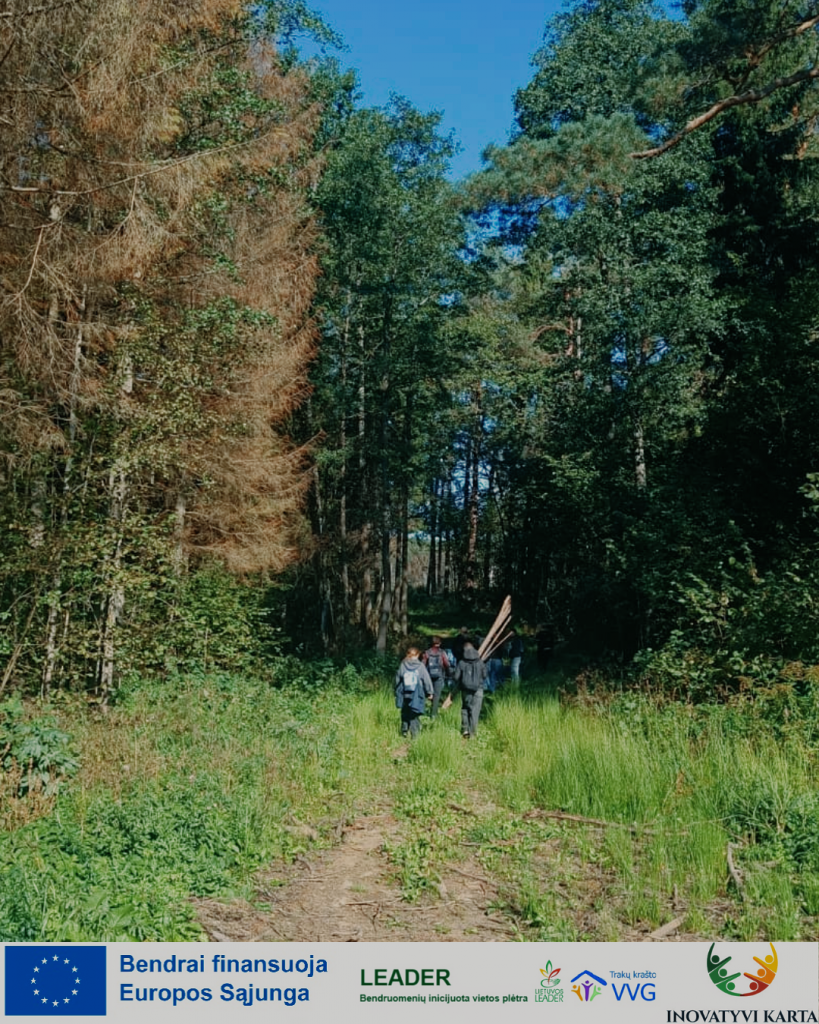
11:30 – Patyriminis žygis: sveikas gyvenimo būdas ir aplinkos pažinimas. Vedamas žygis su sustojimais interaktyvioms užduotims. 

13:30 – Piknikas žygio metu

14:30 – Žygio tęsinys: dėmesys tvarumui (pratęsiame jau pradėtas veiklas) bei inicijuojamas atliekų rinkimas žygio metu ir diskusija apie šiukšlių poveikį aplinkai prisidės ir prie gerovės bendruomenei.

16:30 – Uždarymo sesija: refleksija ir jaunimo įgalinimas

17:00 – Vakarienė

· Socialinis laikas, patirčių dalijimasis, ryšių stiprinimas.

18:00 – Išvykimas

· Dalyviams įteikiami dalyvavimo pažymėjimai ir informacija apie tolimesnius galimus žingsnius 

Už informacijos turinį atsako VšĮ Inovatyvi karta https://innovativegeneration.eu

Finansuojama Europos Sąjungos lėšomis. Tačiau išreiškiamas požiūris ar nuomonė yra tik autoriaus (-ių) ir nebūtinai atspindi Europos Sąjungos ar Europos švietimo ir kultūros vykdomosios įstaigos (EACEA) požiūrį ar nuomonę. Nei Europos Sąjunga, nei EACEA negali būti laikoma už juos atsakinga.

Daugiau informacijos https://www.trakuvvg.lt , https://zum.lrv.lt/lt/

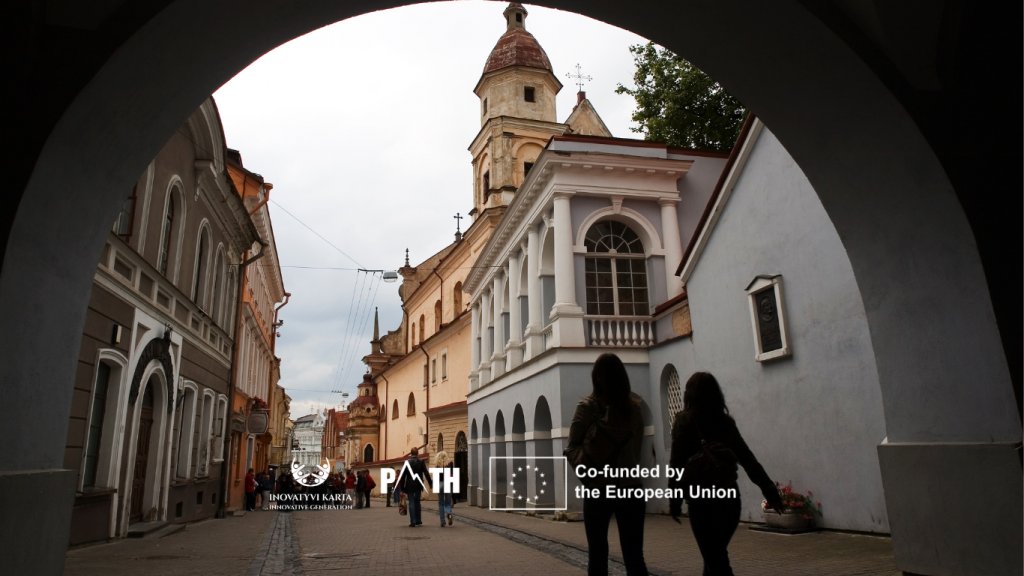
Exciting news! Next month, our PATH project team will gather in Vilnius to test out our new youth engagement methodology. We’re looking forward to working together, sharing insights, and taking the next big step in empowering young people through hiking. Stay tuned for updates from Vilnius!

What a week it was! 💥

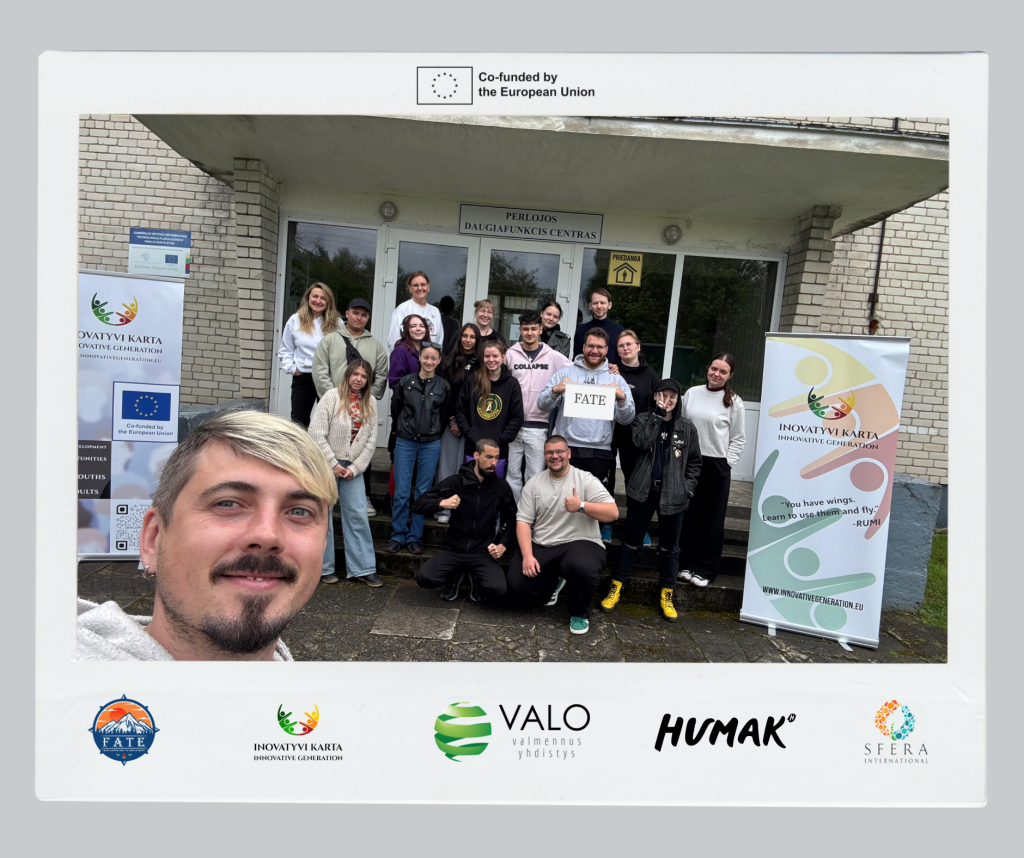
On 19-23 May, 13 participants and 7 youth workers from Lithuania, Finland, and North Macedonia came together for the International Adventure Activities as part of the FATE project — and it was unforgettable.

Our first full day was all about laying the groundwork. After introductions and some fun “getting to know each other” activities, we dove into team-building tasks. The afternoon was spent preparing for the upcoming adventure—mentally and logistically.

With paddles in hand, we set out on a kayaking trip from Senoji Varėna to Perloja. For about four hours, we drifted (and occasionally splashed) through serene waters, learning not only how to navigate the river but how to navigate as a team. Afterward, we relaxed and recharged—because the journey was just getting started.

The spirit of adventure continued as we transitioned from river to forest. A full day of hiking and day camping brought us closer to the natural world and to each other. 

Back from the wilderness, we spent the morning reflecting on our shared adventure. In the afternoon, we began testing the FATE card game! Then, we created our own vision boards and opened up their exhibition.

During the last day, we headed to Vilnius for a well-earned city adventure and some free time.

Thank you to everyone who made this week possible—from facilitators to participants, from kayaks to campfires. Let’s keep the adventure alive in everything we do next.

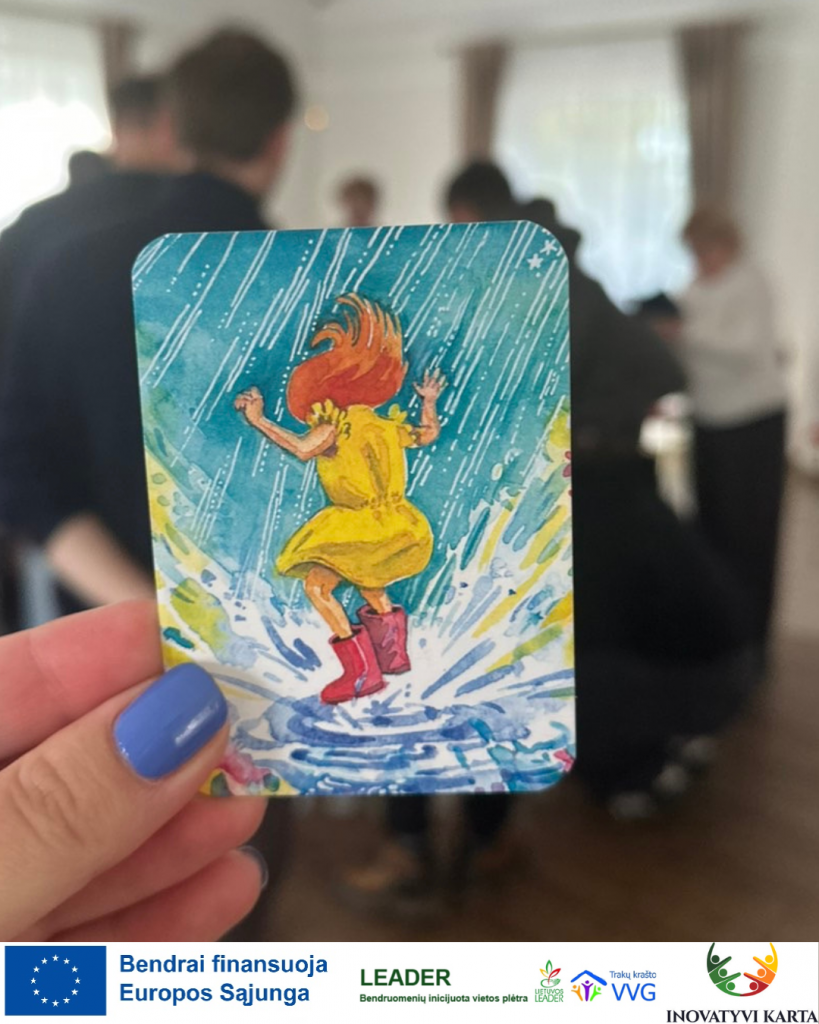
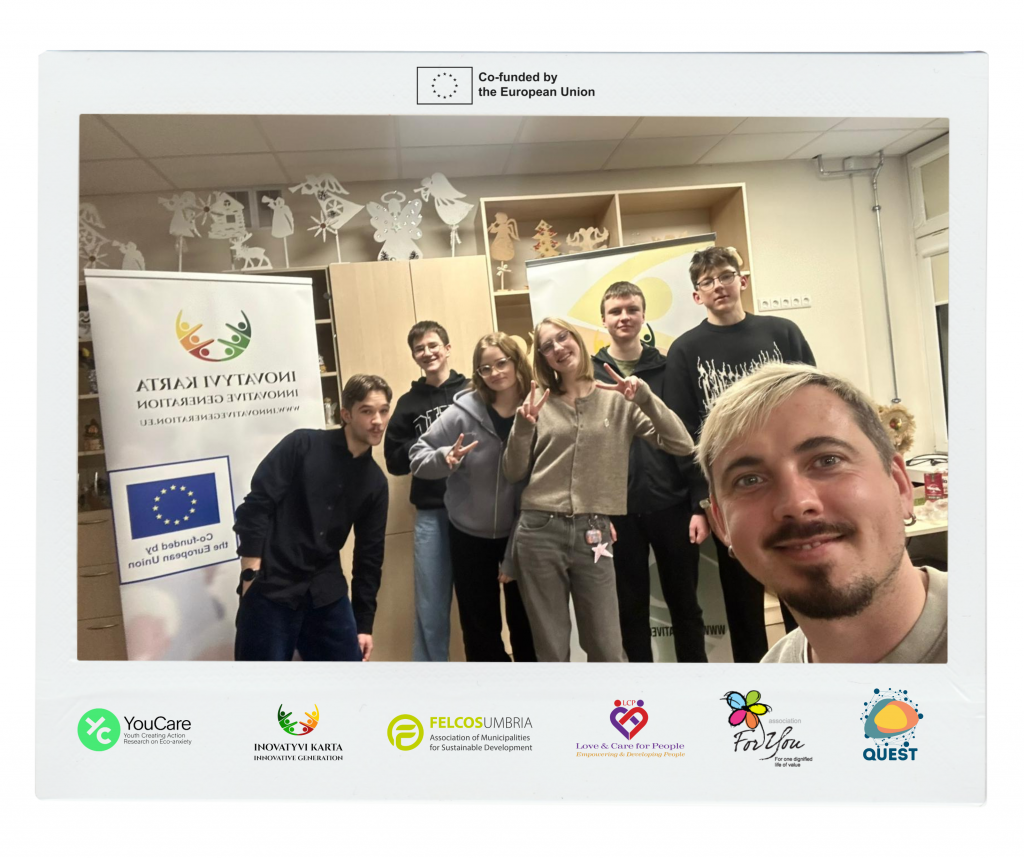
In January, the Innovative Generation team led a series of workshops on eco-anxiety for students at Lentvaris Motiejus Šimelionis gymnasium.

Over four engaging sessions, young participants explored the phenomenon of eco-anxiety, its influencing factors, and reflected on their own feelings, opinions, and knowledge.

They also asked themselves an important question: What do young people really want to learn and discover about eco-anxiety?

💡 Knowledge is most valuable when shared! That’s why participants created letters addressed to their peers, stakeholders, and policymakers. These letters captured key insights on eco-anxiety, local environmental issues, and practical advice on how everyone can make a difference.